
 加盟资讯 Corporate Social Responsibility
在福建福州火车站的繁华街区,每天下午,张伟针的门店外卖单便开始接连不断地涌入。昨天,这家看似普通的门店创下了惊人的9000多元日销,日营业额确定性地超越了隔壁那家"开了18年"的老牌重庆麻辣烫。
从2021年加盟至今,张伟针用4年时间将一家门店打造成福州火车站商贸城的"外卖王",更成为张亮麻辣烫在福建地区的标杆门店。他不仅实现了13个月快速回本的投资奇迹,更带动身边十余位朋友走上创业路,成为名副其实的"致富带头人"。
选择的智慧:从夫妻店到品牌店的跨越思考
2015年大学毕业后,张伟针在福州打拼了四五年,对当地餐饮市场有了深入了解。在开张亮麻辣烫之前,他经营着一家小小的鸡排店,典型的夫妻店模式。
In the bustling area around Fuzhou Railway Station in Fujian Province, delivery orders begin pouring into Zhang Weizhen’s store every afternoon. Just yesterday, this seemingly ordinary location achieved an impressive RMB 9,000+ in daily sales—consistently surpassing the neighboring “18-year” Chongqing malatang shop next door.
Since joining Zhangliang Malatang in 2021, Zhang has spent four years transforming his store into the “delivery champion” of the Fuzhou Railway Station Commercial District—and a benchmark franchise in Fujian. Not only did he recoup his investment in just 13 months, he has also inspired more than a dozen friends to start their own entrepreneurial journeys, earning him the reputation of a true local “wealth builder.”
The Wisdom of Choice: From a Couple-Run Shop to a Branded Business
After graduating from university in 2015, Zhang spent four to five years building his career in Fuzhou, gaining a deep understanding of the local foodservice market. Before opening a Zhangliang Malatang store, he ran a small fried-chicken shop—typical of a husband-and-wife, mom-and-pop operation.

【张亮麻辣烫福州加盟商张伟针】
"那种夫妻店不需要怎么管理的,自己想怎么来怎么干都可以。"张伟针这样形容自己的创业初期,"但我知道,这样的模式有天花板。"
转折点出现在对火车站商贸城的一次市场调研中。"那边最开始没有任何品牌,只有一家夫妻店打着'开了18年重庆麻辣烫'的招牌,生意非常稳定,一天能卖5000多。"张伟针敏锐地捕捉到了机会,"我当时就想,人家麻辣烫自己的口味都能卖5000多块钱,我们有这么大的品牌,这么大的体量,再加上外卖肯定会超越它。"
从困惑到熟练:140种菜品背后的成长轨迹
2021年7月10日,张伟针的张亮麻辣烫正式开业了。由于疫情影响,他没能去哈尔滨总部培训,而是在福州本地接受了培训。从4月培训到7月开业,中间隔了近3个月,很多操作细节已经生疏。
张伟针回忆起开业初期的慌乱,声音里带着笑意,"种类品种太多了,到现在有差不多140多种,刚开始的时候都懵了,摆盘也有点困难。"好在,他不是一个人在战斗。分公司的李总和朱总亲自到店帮扶,"有的时候还帮我摆盘,亲自过来指导,包括怎么更方便的出餐、怎么更加标准化。"
从手忙脚乱到游刃有余,张伟针的转变离不开张亮体系化的支持。每月督导的细致检查——从进货台账到日管控,从健康证到产品摆放,从保质期到操作规范——看似繁琐,实则是在帮助加盟商建立标准化的经营体系。 "你只要听话照做就可以了,因为都有相应的SOP。"
口味进化:从顾客反馈到产品优化
经营过程中,张伟针也遇到过挑战。"最开始的时候,有些客户反馈说辣椒不够辣。我附近的客源主要是江西人,还有一些动车站的客人,他们喜欢吃高辣的辣椒”。
经过主动向分公司提出建议,问题很快得到解决:"本来最开始都是微辣的红油辣椒,后来又出了一款重辣、高辣的。这个改变对门店意义重大,“生意很快就起来了。"
不仅如此,张伟针的门店还成为福建第一个试点酸辣鸡汤的门店。"开始推出的时候,经过门店的推荐。比番茄跟菌菇卖得还好。"他的语气里透着自豪,"分公司这么信任我们这家店,把试点第一家放在我这,我们要反馈给他这个产品效果怎么样。后期大家都觉得可以、好卖,现在福州这边大家也都上了这款最新的酸辣鸡汤。"
逆势突围:洞察外卖时代的消费变革
如果说选址和产品是基础,那么对外卖市场的重视和把握,则是张伟针能够实现逆势增长的关键。
面对堂食下滑、外卖平台强势增长的环境变化,张伟针没有坐以待毙,而是主动出击,将外卖作为核心战略。"现在每天的外卖比堂食还多。"他拿出手机给我看数据,"昨天外卖做了快5000,整个堂食才4000多,外卖比堂食还高。"
[Zhangliang Malatang Fuzhou Franchisee: Zhang Weizhen]
“A mom-and-pop shop doesn’t really require much management—you do things your own way,” Zhang says, describing his early stage of entrepreneurship. “But I knew that kind of model has a ceiling.”
The turning point came during a market visit to the Railway Station Commercial District. “At the time, there were no major brands there—only one couple-run stall with a sign that read ‘18-Year Chongqing Malatang.’ Their business was extremely stable, selling over RMB 5,000 a day,” Zhang recalls. “I immediately thought: if a non-branded malatang shop can do RMB 5,000+, then with a strong brand like ours, with scale—and with delivery—we would definitely outperform it.”
From Uncertainty to Mastery: The Growth Behind 140+ Ingredients
On July 10, 2021, Zhang’s Zhangliang Malatang store officially opened. Due to the pandemic, he was unable to attend training at the Harbin headquarters and instead received local training in Fuzhou. With nearly three months between training in April and opening in July, many operational details initially felt unfamiliar.
Zhang laughs as he recalls the chaos of the early days. “There were just too many ingredients—over 140 varieties. In the beginning, I was totally overwhelmed, and even plating felt difficult.” Fortunately, he was not fighting alone. Regional leaders Mr. Li and Mr. Zhu personally came to the store to support him—sometimes even helping with plating—providing hands-on guidance on workflow efficiency and standardization.
Zhang’s journey from confusion to confidence was inseparable from the brand’s systematic support. Monthly inspections—covering procurement logs, daily controls, health certificates, product placement, shelf life, and operating standards—may seem detailed, but they are designed to help franchisees build a truly standardized operation. “You just need to follow the SOP and do what the system tells you,” Zhang says. “It’s all there.”
Flavor Evolution: Turning Customer Feedback into Product Improvement
Like any operator, Zhang encountered challenges along the way. “At the beginning, some customers said the chili wasn’t spicy enough,” he explains. “Many of my customers are from Jiangxi, and there are also travelers from the railway station—they prefer a much higher spice level.”
After proactively sharing the feedback with the regional team, the issue was quickly resolved. “At first, we only had a mild red chili oil. Later, the brand introduced a stronger, extra-spicy version,” Zhang says. “That change meant a lot for our store—business picked up very quickly.”
Beyond that, Zhang’s store became the first pilot location in Fujian for the new hot-and-sour chicken broth. “When it first launched, we recommended it strongly to customers. It actually sold better than the tomato and mushroom broths,” he says proudly. “The regional team trusted our store and chose us as the first test site. We gave them feedback on performance, and later everyone agreed it was a strong seller. Now, stores across Fuzhou have launched this latest hot-and-sour chicken broth as well.”
Winning Against the Odds: Mastering the Delivery Era
If location and product are the foundation, then understanding—and prioritizing—the delivery market is the key factor behind Zhang’s ability to grow against the odds.
As dine-in traffic declined and delivery platforms surged, Zhang didn’t wait passively—he took action and made delivery his core strategy. “Now, delivery is higher than dine-in every day,” he says, showing data on his phone. “Yesterday, delivery was nearly RMB 5,000, while dine-in was just over RMB 4,000. Delivery was even higher.”
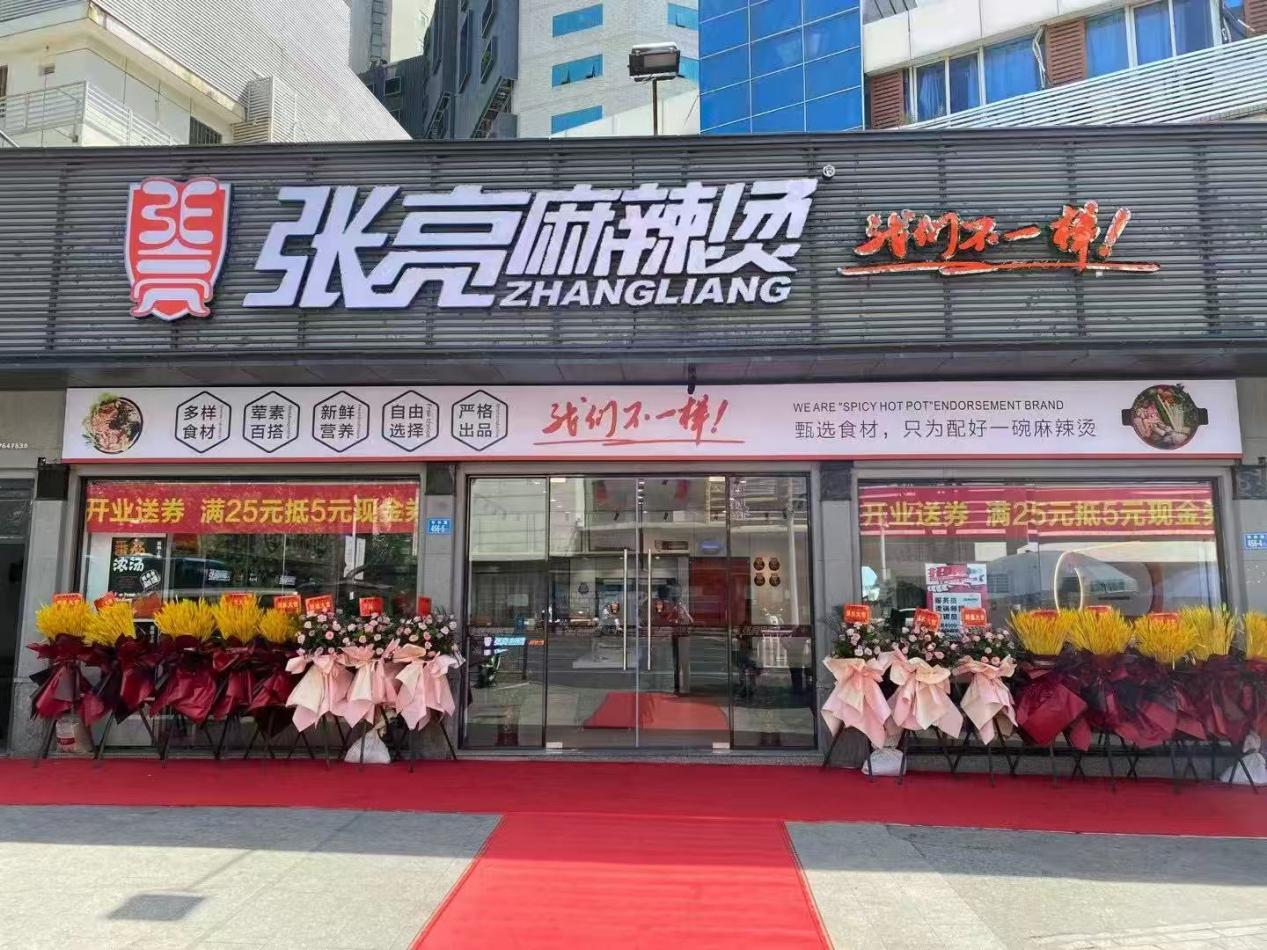
在外卖运营上,张伟针展现出了超乎寻常的学习能力和执行力。他不仅掌握了平台运营技巧,更重要的是理解了外卖时代的消费逻辑——便利性、性价比和差异化体验缺一不可。
这个转变并非偶然,而是系统化学习和精细化运营的结果。"分公司的外卖专员吴志鹏以及上海派来的外卖专家经常驻店指导,他们教我提升复购,提升客单价,怎么去营销,怎么发放优惠券,在什么时间点去发放,怎么建立自己的私域群。"张伟针说,正是这些技巧帮他把网上的流量转化成了实实在在的销售额。
人才战略:40+岁员工的管理哲学与激励智慧
与很多餐饮老板偏爱年轻员工不同,张伟针的用人策略颇为独特——店里员工基本都在40岁以上,甚至有50岁的。
"年轻人又怎么样?在洗菜、摆盘各方面没有经验,甚至在家里从来都是张口吃饭,父母都给弄得好好的。"张伟针的逻辑很实用,"三四十岁,甚至50岁的,才更有生活经验。"
更关键的是,张伟针深谙激励之道。他给店长股份,每月进行分红,"相当于他已经绑死在这了。"这种看似调侃的话语背后,是对合伙人制度的深刻理解——让核心员工成为事业伙伴,才能真正激发主观能动性。
这种精细化的管理和激励机制,让他的门店即使在日9000多元的销售额下,也只需要"6个人,6个半"就能搞定。"人都是培养出来的,要通过合理规划把效率提高。"
辐射效应:一个人带动一群人的创业生态
"我也介绍好多人去开店。"他掰着手指数,"包括福州的五四北泰禾也是我老乡开的,还有一个朋友以前开其他品牌的,他现在也在广东东莞那边开了张亮麻辣烫。"
在采访当天,张伟针还带了一位泉州朋友来实地考察,"让他感受一下氛围,看一下门店运营。"这种朋友带朋友的裂变式发展,正是品牌力和个人成功案例相结合的最佳体现。
"我现在的想法是帮扶他们,大家一起入股去做。"张伟针的格局已经从单店经营者升级为区域发展的组织者。从一个人创业到带动十余人发展,张伟针正努力用自己的成功为更多人点亮了前行的明灯。
In delivery operations, Zhang demonstrated exceptional learning ability and execution. He didn’t just master platform mechanics—more importantly, he understood the consumer logic of the delivery era: convenience, value-for-money, and differentiated experience are all essential.
This transformation was not accidental—it was the result of systematic learning and refined operations. “Our regional delivery specialist Wu Zhipeng, as well as delivery experts dispatched from Shanghai, frequently came to the store for on-site coaching,” Zhang says. “They taught me how to increase repeat purchases, raise average order value, run marketing campaigns, issue coupons, choose the right timing, and build my own private community groups.” These capabilities helped him convert online traffic into real revenue.
Talent Strategy: Managing an Experienced Team and Incentivizing Performance
Unlike many restaurant owners who prefer younger staff, Zhang’s hiring strategy is unique: most of his employees are over 40, and some are even in their 50s.
“So what if they’re young?” Zhang says bluntly. “They often have no experience in washing vegetables, plating, or kitchen work. Some have never even done chores at home—everything was handled by their parents.” His reasoning is practical: “People in their 30s, 40s, or even 50s have more real-life experience.”
More importantly, Zhang deeply understands incentives. He grants equity to store managers and distributes dividends monthly. “That basically ties them to the business,” he jokes. Behind the humor is a clear understanding of partnership models: only by turning key employees into business partners can you truly unlock initiative and long-term commitment.
With this refined management and incentive system, even at RMB 9,000+ daily sales, Zhang’s store can run smoothly with only “six people—six and a half,” as he puts it. “People are trained,” he says. “Efficiency comes from smart planning.”
Ripple Effect: One Person Inspiring a Community of Entrepreneurs
“I’ve introduced many people to open stores too,” Zhang says, counting on his fingers. “For example, the Wusi North Taihe location in Fuzhou is run by someone from my hometown. Another friend used to operate a different brand, and now he’s running a Zhangliang Malatang store in Dongguan, Guangdong.”
On the day of the interview, Zhang even brought a friend from Quanzhou to observe operations on-site. “I wanted him to feel the atmosphere and see how the store runs,” he explains. This friend-to-friend referral dynamic is one of the strongest demonstrations of how brand power and real success stories work together.
“Now my idea is to support them—invest together and grow together,” Zhang says. His vision has expanded from being a single-store operator to becoming a regional organizer and enabler. From one person starting a business to helping more than a dozen people take action, Zhang is using his success to light the way for others.
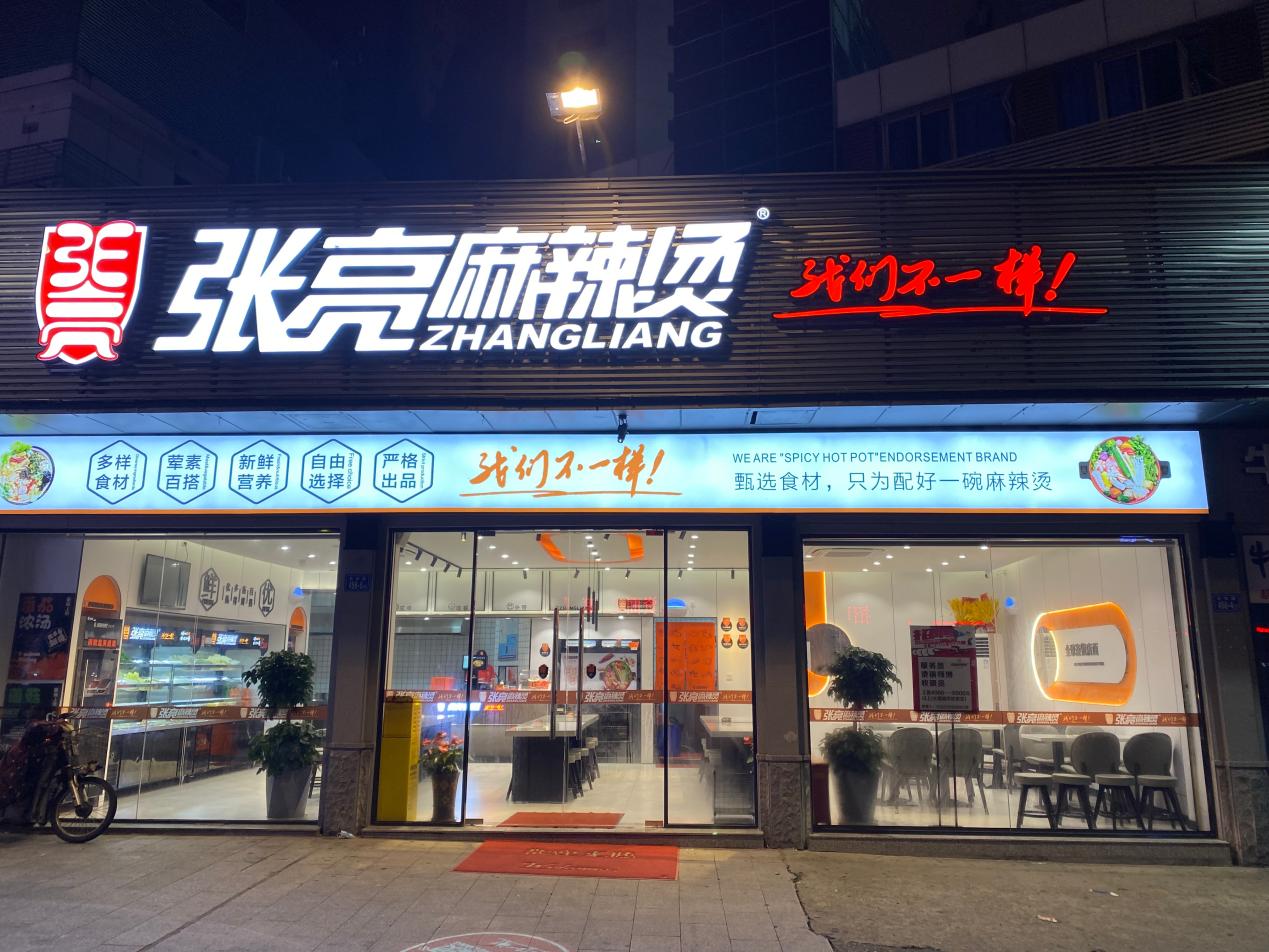
三大成功法则:选址、听话、重视外卖
当被问及成功经验时,张伟针想了想,总结了三句话:
"第一,选好址,商圈很重要,再大的品牌商圈都很重要。" 地段决定客流,这是餐饮业的铁律。好的位置是成功的第一步。
"第二,要依托好团队,要听话照做。" 他的语气很坚定,"因为品牌已经走了那么多年了,有非常完美的体系,有很专业的团队。整个流程下来都是非常能够让加盟商省心的,你只要听话照做,品牌会给你带来很多的收益。"这体现了对品牌体系的深度信任。
"第三,要重视外卖。" 这是他最想强调的一点,"现在堂食客流不会增加,大家都学会了薅羊毛,外卖、到店自取比堂食便宜很多。所以说这个很关键。大家还是要重视外卖,才能带来更大的收益。"
这三句话,是张伟针4年创业的精华总结,也是他送给每一位想要加盟张亮麻辣烫的创业者的真诚建议。
写在最后:一碗热气腾腾的人生
从夫妻店到带领团队,从一个人创业到带动十余人发展,张伟针用4年时间,找到了属于自己的那一碗麻辣烫,也找到了人生的新方向。
在福州火车站的人潮中,每一碗热气腾腾的张亮麻辣烫背后,都有着像张伟针这样创业者的坚持与智慧、学习与成长。他们选择了对的品牌,听从了专业的指导,把握住了时代的机遇,最终用自己的成功,为更多怀有创业梦想的人点亮了前行的明灯。
麻辣烫,选张亮:创业路,不迷茫。
以上故事为个案不代表全部情况, 不代表承诺。
Three Rules for Success: Location, Execution, and Delivery
When asked about the key to his success, Zhang pauses for a moment and summarizes it in three simple rules:
“First, choose the right location. The trade area matters. Even the biggest brand still needs the right commercial district.” In foodservice, location determines traffic—it is a hard rule. A good site is the first step toward success.
“Second, rely on the team and follow the system.” His tone is firm. “The brand has been operating for many years. It has a very mature system and a professional team. The whole process is designed to make things easier for franchisees. If you follow the playbook, the brand will bring you real returns.” This reflects deep trust in the brand’s operational system.
“Third, take delivery seriously.” This is the point he emphasizes most. “Dine-in traffic won’t increase. Everyone has learned how to maximize discounts, and delivery or pickup is often much cheaper than dine-in. That’s why it’s critical. You must prioritize delivery to achieve greater profit.”
Closing: A Steaming Bowl That Shapes a Life
From a couple-run shop to leading a team, from solo entrepreneurship to helping more than a dozen people take action, Zhang has spent four years finding his own “bowl of malatang”—and a new direction in life.
Amid the crowds of Fuzhou Railway Station, every steaming bowl of Zhangliang Malatang carries the perseverance, wisdom, learning, and growth of entrepreneurs like Zhang Weizhen. They chose the right brand, followed professional guidance, seized the opportunity of the times—and ultimately used their success to light the path for others who dream of entrepreneurship.
Malatang? Choose Zhangliang—on the road to entrepreneurship, never lose your way.
The above story is a case example and does not represent all scenarios, nor does it constitute a promise.


