
 加盟资讯 Corporate Social Responsibility
二十年前,揣着仅有的1000元,邬亚秋坐了36小时的站票从黑龙江来到上海。今天,这位来自东北的女孩已经是上海张亮麻辣烫的资深加盟商,拥有多家门店,并带挈多位家乡亲朋在魔都安家立业、实现人生蜕变。
命运的转折:当1000元变成百万投资
"我永远记得2003年7月13日,下了火车,上海地面温度高得吓人,像蒸笼一样的热气迎面扑来。"邬亚秋回忆初到上海的场景,语气中带着对往事的感慨,"我当时就想打道回府,甚至找列车员说'我不走了,我要回家'。但那时每天只有一班车往返哈尔滨和上海,我只能硬着头皮留下。"
【张亮麻辣烫加盟业主邬亚秋】
怀揣着仅有的1000元,邬亚秋选择了最便宜的住宿——一间80元一晚、只有电风扇的小旅馆。"那旅馆条件差得不敢相信,进屋整个人全是汗。电风扇吹出来的全是热风,我几乎每隔半小时就去洗一次澡。第一晚我在床上哭了很久,想家想得不行。"她回忆道,眼中闪过当年的无助与坚强。
Twenty years ago, with only RMB 1,000 in her pocket, Wu Yaqiu traveled 36 hours on a standing-room ticket from Heilongjiang to Shanghai. Today, the young woman from Northeast China has become a seasoned Zhangliang Malatang franchisee in Shanghai, operating multiple stores—and helping many relatives and friends from her hometown settle down in the city and transform their lives.
A Turning Point: When RMB 1,000 Became a Million-Yuan Investment
“I will never forget July 13, 2003,” Wu recalls, her voice filled with emotion. “The moment I stepped off the train, the heat in Shanghai was shocking—like walking into a giant steamer. I wanted to turn around immediately. I even told the conductor, ‘I’m not going—I want to go home.’ But back then, there was only one train a day between Harbin and Shanghai, so I had no choice but to stay and push through.”
[Zhangliang Malatang Franchisee: Wu Yaqiu]
With only RMB 1,000 to her name, Wu chose the cheapest accommodation she could find—an RMB 80-per-night guesthouse with nothing but a fan. “The conditions were beyond belief. The moment I walked in, I was drenched in sweat. The fan only blew hot air. I was showering almost every half hour. That first night, I cried in bed for a long time. I missed home terribly,” she says, her eyes reflecting both helplessness and resilience from those early days.

很快,邬亚秋找到了第一份工作——在一家叫"都爱茶餐厅"的小店工作,老板娘提供食宿。然而,住处是餐厅后面一个漏雨的简易板房。"晚上下雨,我发现外面下小雨,屋里也漏水,哪哪儿都是湿的。没有铺盖,只能睡床单盖被套,进屋我就哭了,感觉特别委屈。但想到家里人对我的期待,我咬咬牙还是留下了。"邬亚秋回忆道,"那时候,每天凌晨5点起床,准备早餐食材,忙到深夜12点才能休息,做梦都是一桌一桌的客人,但我从不喊累,就那么坚持着做下来。"
餐饮启蒙:从打工者到经营者的蜕变
通过多年努力,邬亚秋在上海站稳脚跟,从基层员工做到西餐厅经理,积累了丰富的餐饮管理经验。
2017年,一个转机出现了。 "那是我人生中最重要的一次电话。"邬亚秋眼神中闪烁着回忆的光芒,"我有个同学在北京开张亮麻辣烫,他说上海开放加盟了。"听到这个消息,我心里就像被点燃了一样。
"我仔细研究了各个麻辣烫品牌的资料,最终选择张亮是因为它更年轻化、更有活力、产品也更符合现代人的口味。"她笑着补充道:"就像有人偏爱麦当劳,有人钟情肯德基,品牌选择也是一种缘分。我一眼就看中了张亮,感觉它会是我的'命中注定'。"
在上海分公司总经理张彦峰的指导下,邬亚秋选择了周浦万达开设第一家店。"张总陪我看了十几个地方,最后确定在周浦万达。我至今记得签租约那天的忐忑不安。"邬亚秋回忆道,"租金一个月5万,一年就是60万。加上宿舍租金和其他费用,年支出70多万。总投资110万,几乎是我所有积蓄加上从亲戚朋友那借来的钱。签字时手都是抖的,感觉人生就赌在这一把上了。"
事业起飞:第一桶金与快速扩张
"开业第一天,排队的人一直延伸到商场外面,我忙得连喝水的时间都没有。"邬亚秋回忆当时的场景,嘴角不禁上扬,"晚上结账时看到营业额超过8000,我激动得差点哭出来。第一个月就净赚12万,此后月均净利润不低于8万元,只用了不到一年就收回了全部投资。我原本心里打算是,一年半能把钱收回来就谢天谢地了,没想到这么快就回本了!那天晚上,我给家里打电话说'妈,女儿在上海站住脚了',电话那头,我妈哭了。"
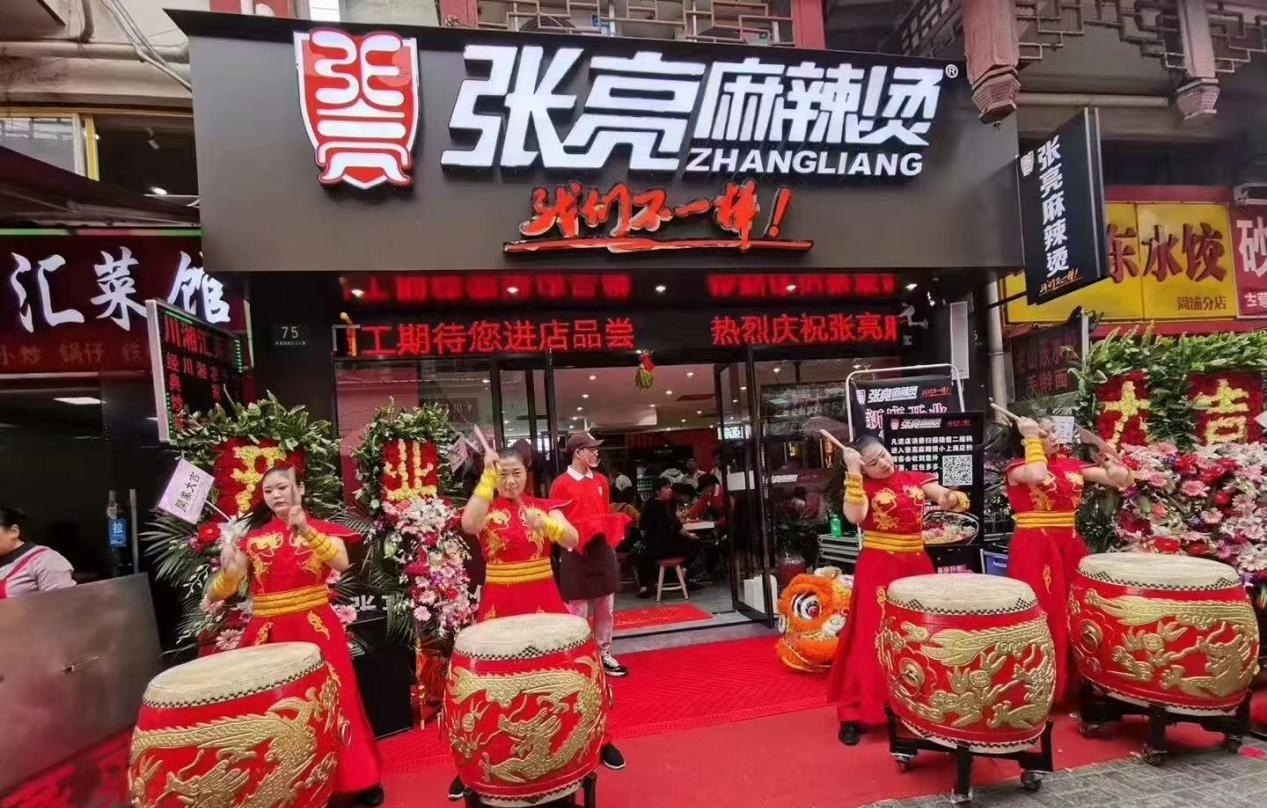
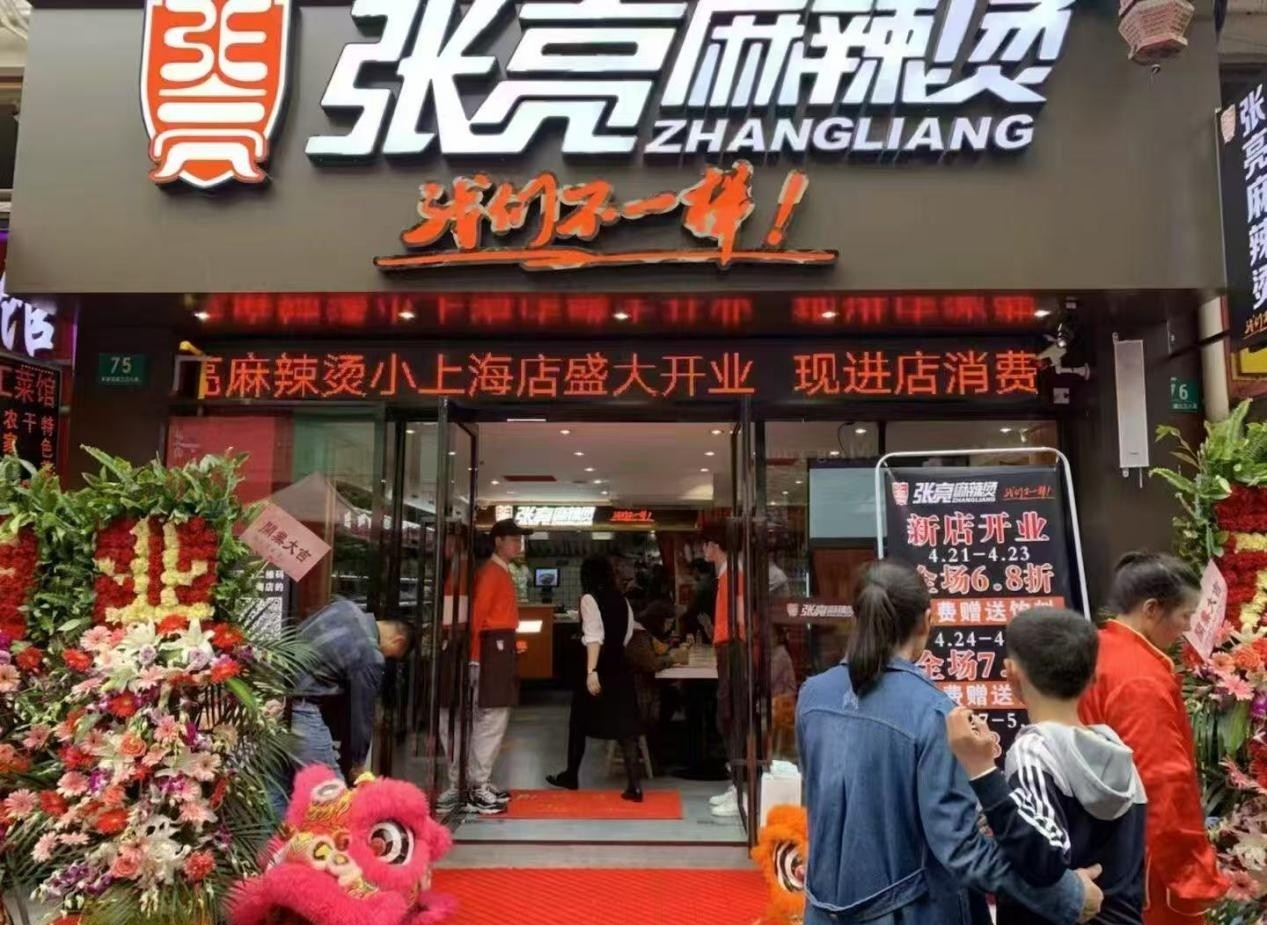
"后来我开了第二家店永德路店,然后第三家小上海步行街店,再后来沈梅东路店...陆陆续续开的店还蛮多的。"创业成功的消息传回老家,也引来不少老乡前来上海寻求机会。"最多的时候我开了10个店,有些是自己经营,有些是跟朋友、亲戚合伙。看到那么多老乡、朋友和亲人因为我的引导而改变命运,我真的感到特别自豪。"
商业智慧:合伙制与人才培养
与众多单打独斗的创业者不同,邬亚秋创建了一套合伙经营模式,"我现在所有的店都是合伙制,店长都会有股份。有两种方式:一是店开了一两个月盈利后,店长可以投资获得10%-20%的股份;二是从一开始就确定合伙关系,各自投入一定比例的资金"。
这种模式让邬亚秋能够将精力集中在开拓新店,同时也激发了店长的主人翁意识。"比如我跟我姐合作的沈梅东路店,她占45%的股份,我占55%。六年来没有任何争吵,为什么?因为前期我们把规则、机制、退出的方式都约定清楚了。"
邬亚秋强调:"合伙人一定要找对,三观不合的人坚决不能合伙,太计较的人也不能做合伙人。"她甚至与亲姐姐合作也要签订正式协议,"我在南方待久了,养成了一种习惯,很多东西一定要拿到桌面上来讲,落在纸上。不会轻易做任何承诺,因为投资有风险,任何人的钱都是辛辛苦苦攒的。"
Soon after, Wu found her first job at a small restaurant called “Du Ai Tea Restaurant,” where the owner provided meals and accommodation. But the living quarters were a makeshift wooden shed behind the restaurant—one that leaked whenever it rained. “At night, it would drizzle outside, and water would drip inside too. Everything was damp. There was no bedding. I slept on a sheet and used a duvet cover as a blanket. The moment I walked in, I cried—I felt so wronged,” she remembers. “But thinking of my family’s expectations, I stayed. Back then, I got up at 5 a.m. every day to prep breakfast ingredients and worked until midnight. Even in my dreams, I saw tables of customers. But I never complained. I just kept going.”
A Culinary Awakening: From Employee to Operator
Through years of hard work, Wu gradually established herself in Shanghai—rising from an entry-level employee to a Western restaurant manager, and building strong expertise in foodservice operations and management.
In 2017, a major turning point arrived. “It was the most important phone call of my life,” Wu says, her eyes lighting up at the memory. “A classmate of mine was running a Zhangliang Malatang store in Beijing, and he told me Shanghai had opened up franchising.” The moment she heard the news, she felt as if something inside her was ignited.
“I carefully studied different malatang brands. In the end, I chose Zhangliang because it felt younger, more energetic, and the products matched modern tastes better,” she says with a smile. “Just like some people prefer McDonald’s and others love KFC—choosing a brand is also about chemistry. The moment I saw Zhangliang, I knew it. It felt like destiny.”
With guidance from Zhang Yanfeng, General Manager of the Shanghai branch, Wu chose Zhoupu Wanda Plaza for her first store. “Mr. Zhang took me to view more than a dozen locations, and we finally settled on Zhoupu Wanda. I still remember how nervous I was on the day I signed the lease,” Wu recalls. “The rent was RMB 50,000 per month—RMB 600,000 a year. Add staff accommodation and other costs, and annual expenses exceeded RMB 700,000. The total investment was RMB 1.1 million—nearly all my savings, plus money borrowed from relatives and friends. My hands were shaking when I signed. It felt like my whole life was on the line.”
Takeoff: The First Pot of Gold and Rapid Expansion
“On opening day, the queue stretched all the way outside the mall. I was so busy I didn’t even have time to drink water,” Wu recalls, smiling. “When I checked the numbers that night and saw revenue exceeded RMB 8,000, I was so excited I almost cried. In the first month, we made RMB 120,000 in net profit. After that, monthly net profit stayed above RMB 80,000. We recovered the full investment in less than a year. I originally hoped to break even in a year and a half—so this felt unbelievable. That night, I called my family and said, ‘Mom, your daughter has made it in Shanghai.’ On the other end of the line, my mom cried.”
“Later I opened my second store on Yongde Road, then the third on Xiaoshanghai Pedestrian Street, and after that the Shenmei East Road store… I opened quite a number over time,” Wu says. News of her success spread back to her hometown, attracting many fellow townspeople to Shanghai in search of opportunity. “At my peak, I had ten stores. Some were fully self-operated, and others were partnerships with friends or relatives. Seeing so many fellow villagers, friends, and family members change their lives because of the opportunities I helped create—honestly, it makes me deeply proud.”
Business Wisdom: Partnership Models and Talent Development
Unlike many entrepreneurs who operate alone, Wu developed a partnership-based operating model. “All my stores now run as partnerships, and store managers hold equity,” she explains. “There are two ways: one is that after a store becomes profitable in the first one or two months, the manager can invest and receive 10%–20% equity; the other is to establish a partnership from the start, with each party investing a certain proportion of capital.”
This model allows Wu to focus her energy on developing new stores, while also strengthening store managers’ sense of ownership. “For example, at the Shenmei East Road store I run with my sister, she holds 45% and I hold 55%. In six years, we’ve never argued. Why? Because we agreed clearly on the rules, mechanisms, and exit arrangements from the very beginning.”
Wu emphasizes, “You must choose the right partners. If your values don’t align, you should never partner up. And people who are overly calculating are not suitable partners either.” She even insists on signing formal agreements with her own sister. “Living in the South for a long time shaped my habits. Many things must be discussed openly and put into writing. I don’t make promises lightly—investment comes with risks, and everyone’s money is earned through hard work.”
疫情考验:危机中的坚持与温暖
2020年的疫情对上海餐饮业造成沉重打击,邬亚秋的门店同样面临严峻挑战。 "疫情最严重那段时间,我的店铺关了两三个月。"邬亚秋回忆起那段艰难时光,语气中带着坚韧,"那时候真不知道明天会怎样,但我从来没想过放弃。"
危机时刻,张亮总部和分公司给予了实质性支持。"分公司在最困难的时候减免了加盟费,让我们能够渡过难关。"邬亚秋感激地说,"上海分公司总经理张彦峰他们很细心,甚至发现我姐(店长)情绪低落,主动来店里慰问关心。这种细心让我觉得特别温暖,也是我希望能够跟张亮走得更远的原因。"
疫情也迫使邬亚秋调整经营策略。"因为疫情影响,租金过高或者成本过高,让我折损了几家店。但精简是需要快刀斩乱麻的,有病毒性的东西要立马切掉。"
数字化挑战:外卖平台与新消费模式
近年来,外卖业务在邬亚秋的店铺中占比越来越高,也带来了新的挑战。 "沈梅东路店外卖占到了总营业额的2/3甚至4/5。"邬亚秋分析道,"堂食卖1000,外卖可能占6000,疫情彻底改变了人们的消费习惯。"
同时,外卖平台高昂的佣金率也让她感到压力:"平台扣点在21%-25%之间,再加上大量的满减、神券、红包,冲击特别大。以前可能我做15万能赚5万,但现在做20万,可能连3万都赚不到。很忙但利润下降了。"
面对这一挑战,邬亚秋开始探索自己的解决方案:"现在我在尝试建立私域流量,在店里设立了会员制度,老顾客可以加我微信直接下单,我们配送,双方都省去平台费用。一位常来的大学老师告诉我,他更喜欢这种直接联系的方式,感觉像是跟朋友之间的互动,而不是冷冰冰的下单。" 同时,她对张亮总部目前正在实施的会员运营体系效果非常期待,“希望能打破目前这种僵局”。
价值观与情感纽带:经营中的温度
在多年的经营中,邬亚秋深刻体会到人情味的重要性。
"有一件事我一直引以为戒。"邬亚秋语气真诚地分享道,"早期周浦万达店生意火爆时,有位顾客要求用大盒子打包调料。按规定我们不能这样做,我就拒绝了,还说了一句'你可以不来吃我张亮麻辣烫,我也不差你这个客户'。事后我意识到自己错了,我们不应该跟客户争辩是非,而是要想办法解决问题。" 这个教训让她形成了自己的经营哲学:"一定要重视客户的体验感和需求。"
邬亚秋进一步解释:"现在我店里有个不成文规定,遇到特殊请求,只要不违法,就尽量满足。有位老奶奶因为牙齿不好,要求把食材切得更碎一些,我们二话不说就照做了。后来她成了我们的忠实顾客,每周都带着老伴来吃,还给我们介绍了好多新客人。"
邬亚秋甚至会在闲暇时坐在顾客旁边聊天,"现在做生意太冷冰冰了,我觉得餐饮行业要有温度。"她真诚地说,"有一次一位顾客吃着吃着突然哭了,我过去关心才知道她刚失恋。我就坐下陪她聊了一个多小时,分享我年轻时的情感故事。后来她成了我的好朋友,还帮我介绍了很多客户。虽然我们是快餐,每天接触很多人,但能够关心客户的体验感,这很重要。"
The Pandemic Test: Perseverance and Warmth in Crisis
The COVID-19 pandemic in 2020 dealt a heavy blow to Shanghai’s foodservice industry, and Wu’s stores faced severe challenges as well. “During the worst period, my stores were closed for two or three months,” Wu recalls, her tone steady and resilient. “Back then, you truly didn’t know what tomorrow would look like—but I never once thought about giving up.”
In that difficult period, Zhangliang headquarters and the local branch provided tangible support. “The branch reduced franchise fees at the hardest time, which helped us get through,” Wu says gratefully. “The Shanghai branch team, including General Manager Zhang Yanfeng, was extremely thoughtful. They even noticed my sister (the store manager) was feeling down and proactively came to the store to check on her. That kind of care made me feel truly warm—and it’s one of the reasons I want to go further with Zhangliang.”
The pandemic also forced Wu to adjust her business strategy. “Because of COVID, high rent or overly high operating costs caused me to lose a few stores. But when you need to streamline, you have to cut quickly and decisively. Anything ‘virus-like’ must be removed immediately.”
Digital Challenges: Delivery Platforms and New Consumption Patterns
In recent years, delivery has taken up an increasingly large share of sales across Wu’s stores—bringing new challenges as well. “At the Shenmei East Road store, delivery accounts for two-thirds, or even four-fifths, of total revenue,” Wu explains. “If dine-in sells RMB 1,000, delivery can bring in RMB 6,000. The pandemic completely changed consumer habits.”
At the same time, the high commission rates of delivery platforms have created significant pressure. “The platform takes 21%–25% commission. And on top of that, there are discounts, coupons, and red packets. The impact is huge,” Wu says. “In the past, RMB 150,000 in sales might bring RMB 50,000 profit. Now, RMB 200,000 in sales may not even bring RMB 30,000. We’re busier than ever, but profits are shrinking.”
To respond, Wu has started exploring her own solutions. “I’m trying to build private traffic now. We set up a membership system in-store. Regular customers can add my WeChat and order directly—we deliver, and both sides save platform fees,” she explains. A university professor who visits frequently told her he prefers this direct interaction because it feels like communicating with a friend, not placing a cold, transactional order. At the same time, she is looking forward to the membership operations system currently being rolled out by Zhangliang headquarters, hoping it can “break the current deadlock.”
Values and Emotional Connection: Warmth in Operations
Over years of operating stores, Wu has come to deeply understand the importance of human warmth in the foodservice business.
“There’s one thing I always remind myself of,” Wu shares sincerely. “In the early days when my Zhoupu Wanda store was booming, a customer asked to pack seasonings in a large box. According to the rules, we couldn’t do that, so I refused—and I even said, ‘You don’t have to come eat at my Zhangliang Malatang. I don’t need you as a customer.’” Later, she realized she was wrong. “We shouldn’t argue with customers about who is right or wrong. We should find a way to solve the problem.” That lesson shaped her philosophy: “Always value the customer’s experience and needs.”
Wu further explains, “Now we have an unwritten rule in my stores: if a customer has a special request, as long as it’s not illegal, we try our best to accommodate it.” She recalls an elderly lady who had poor teeth and asked for ingredients to be cut into smaller pieces. “We did it without hesitation. Later, she became one of our most loyal customers—coming every week with her husband and introducing many new guests to us.”
Wu even sits down to chat with customers when she has time. “Business today feels too cold. I believe the foodservice industry must have warmth,” she says. She recalls one customer who suddenly started crying while eating. “I went over and found out she had just gone through a breakup. I sat down and talked with her for over an hour, sharing my own emotional stories from when I was young. Later, she became a close friend and introduced many customers to us. Even though we’re fast casual and meet many people every day, caring about the customer’s emotional experience matters.”
改变他人命运的力量
除了自身的成功,邬亚秋更为能帮助他人改变命运而自豪。她的沈梅东路店长——也是她的姐姐,来上海时背负17万外债,如今不仅还清债务,还过上了更好的生活。 邬亚秋说,"做这家店给她生活带来的变化特别大。看到她从一个整天为债务发愁的人,变成现在信心满满的样子,这种成就感是金钱买不到的。"
她还分享了一个令人动容的故事:"店里有位杨大姐,是我从老家带过来的。她家庭情况特别困难,老公半身不遂,公公患癌症,一家人全靠她一个人养活。刚来上海时,她背着30多万的外债,连起码的生活都难以维持。" 邬亚秋继续道:"我记得她刚来时,住在店后面的宿舍,晚上经常能听到她在被窝里偷偷哭。我没多问,只是给她更多工作机会,让她能多赚点钱。七年过去了,她不仅还清了外债,大女儿还嫁给了上海人,小女儿也在上海找到了稳定工作。当她还清最后一笔外债时,大姐在店里抱着我痛哭,说'亚秋,如果没有你,我不知道我这辈子还能不能翻身'。"
谈及此事,邬亚秋感慨道:"做生意不单单是赚钱,更重要的是给别人带来希望,让他们有一份稳定工作,解决实际生活问题。看到他们生活变好,这对我就是最大的价值。"
对品牌的感悟与未来展望
作为与张亮麻辣烫共同成长了近十年的加盟商,邬亚秋特别认可品牌提倡的“我们不一样”,她认为品牌的成功在于产品与服务的结合:"好吃是基础,但光好吃还不够。我希望消费者说的不是'你们无非就是麻辣烫',而是'你们是与众不同的麻辣烫,再高大上的东西都不如你们麻辣烫好吃,或者都不如你们麻辣烫更有人情味'。"
邬亚秋分享了一个温暖的细节:"去年冬天,一位老爷爷在我们店门口摔倒了,我和店员赶紧去扶他,帮他清理伤口,还送他去了医院。一周后,他带着全家人来店里吃饭,还送了我们一面锦旗。他说'现在社会上冷漠的人太多了,你们让我看到了希望'。这种时刻,让我觉得做张亮麻辣烫不只是做生意,更是在传递一种温暖。"
谈到自己的规划,邬亚秋表示:"只要有好位置,我还会继续开店。现在投资额20万、30万、50万的店都可以接受,只要能赚钱,没有大小之分。我相信张亮这个品牌会越来越好,我也希望能和它一起成长。"
成功经验分享:创业者的四点忠告
回望创业历程,邬亚秋总结了自己的成功经验:
"第一,一定要选对品牌。我能成功,首先是选对了张亮麻辣烫这个品牌赛道。" "第二,选址是关键。在餐饮行业创业,选址是最重要的。"
"第三,经营管理很重要。要么你亲自管理,要么找到靠谱的合伙人。不要想着当甩手掌柜,现在这样很难做好一件事。"
"第四,重视每一个消费者。所有的出发点都要站在客户角度考虑,不要随意忽略每个人内心的真实所想。"
当被问及最有成就感的时刻,邬亚秋并未提及店铺排长队或赚大钱的瞬间,而是动情地说:"能让我的员工从老家出来,还清外债;能让我姐姐找到方向和目标;能帮助家人朋友改变命运。这些都是因为做了张亮麻辣烫才得以实现。" 她真诚地表示:"走在上海街头,看到张亮的店面就觉得亲切,就像看到亲人一样。它不仅给我带来了实惠,让我赚到了钱,还让我帮到了人,温暖了心。"
麻辣烫,选张亮:让平凡人做不平凡的事
以上故事为个案不代表全部情况, 不代表承诺。
The Power to Change Lives
Beyond her own success, Wu is even more proud of being able to help others change their destiny. The store manager of her Shenmei East Road location—who is also her sister—arrived in Shanghai with RMB 170,000 in debt. Today, she has not only paid it off but is also living a much better life. “This store completely changed her life,” Wu says. “Seeing her go from someone constantly worried about debt to someone full of confidence—this sense of achievement is something money can’t buy.”
She also shares a deeply moving story. “There’s a sister Yang in my store—she came with me from my hometown. Her family situation was extremely difficult. Her husband was partially paralyzed, her father-in-law had cancer, and the whole family relied on her alone.” When she first came to Shanghai, she carried more than RMB 300,000 in debt and struggled to maintain even basic living needs. Wu continues, “I remember when she first arrived, she lived in the dorm behind the store. At night, I could often hear her quietly crying under her blanket. I didn’t ask too many questions—I simply gave her more work opportunities so she could earn more. Seven years later, she not only paid off her debt, her eldest daughter married a Shanghainese, and her younger daughter found a stable job in Shanghai. When she repaid the final debt, she hugged me in the store and cried, saying, ‘Yaqiu, without you, I don’t know if I would ever have been able to turn my life around.’”
Reflecting on this, Wu says emotionally, “Doing business isn’t only about making money. What matters more is giving people hope—helping them secure stable work and solve real-life problems. Seeing their lives improve is the greatest value for me.”
Reflections on the Brand and Looking Ahead
As a franchisee who has grown alongside Zhangliang Malatang for nearly a decade, Wu strongly resonates with the brand’s philosophy of “We’re Different.” She believes the brand’s success comes from the combination of product and service. “Great taste is the foundation, but taste alone is not enough,” she says. “I hope consumers don’t say, ‘You’re just malatang.’ I want them to say, ‘You’re a different kind of malatang—nothing fancy is better than your malatang, or nothing is warmer than your malatang.’”
Wu shares a heartwarming detail: “Last winter, an elderly man fell outside our store. My staff and I rushed to help him up, cleaned his wounds, and took him to the hospital. A week later, he came back with his whole family to eat at our store—and he brought us a banner of appreciation. He said, ‘There are too many indifferent people in society today. You gave me hope.’ Moments like that make me feel that running Zhangliang Malatang isn’t just business—it’s about passing on warmth.”
Speaking of her future plans, Wu says, “As long as there’s a good location, I will keep opening stores. Whether the investment is RMB 200,000, 300,000, or 500,000, I can accept it. As long as it’s profitable, size doesn’t matter. I believe the Zhangliang brand will only get better—and I hope to grow with it.”
Sharing Success: Four Pieces of Advice for Entrepreneurs
Looking back on her entrepreneurial journey, Wu summarizes her experience into four key lessons:
“First, you must choose the right brand. My success began with choosing the right track—Zhangliang Malatang.” “Second, location is critical. In the foodservice business, site selection is the most important factor.”
“Third, operations and management are essential. Either manage it yourself, or find a trustworthy partner. Don’t think you can succeed by being hands-off—today it’s very hard to do anything well that way.”
“Fourth, value every single customer. Always think from the customer’s perspective, and never casually overlook what people truly feel inside.”
When asked about her proudest moments, Wu does not mention long queues or major profits. Instead, she speaks with deep emotion: “Being able to bring my employees out of the hometown and help them pay off their debts; helping my sister find direction and goals; helping family and friends change their lives—none of this would have been possible without Zhangliang Malatang.” She adds sincerely, “When I walk on the streets of Shanghai and see a Zhangliang store, I feel a sense of closeness—like seeing family. The brand not only brought me real income, it allowed me to help others and warm hearts.”
Malatang? Choose Zhangliang: Empowering Ordinary People to Do Extraordinary Things.
The above story is a case example and does not represent all scenarios, nor does it constitute a promise.


